Disrupting the tourist gaze: how can minor gestures of wayfaring and analogue photographic practice deterritorialise and disrupt habitual ways of seeing and what impact does this have on my emerging artist practice?
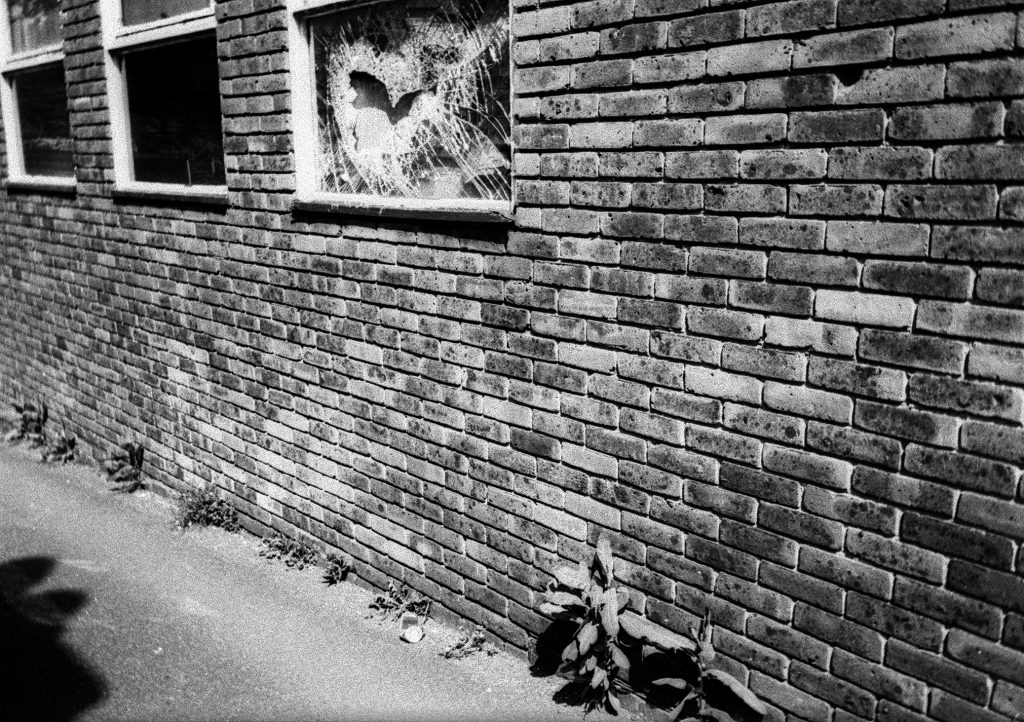
This research explores the emergence of artist identity through embodied movement, wayfaring (Ingold, 2016), and analogue photographic practice. Challenging the efficient logic and routine of transport and the visual consumption of place associated with the tourist gaze (Urry, 1990), the project investigates slower and more attentive ways of encountering space. Informed by Henri Lefebvre’s theories of everyday life and rhythm (Lefebvre, 2017), Deleuze and Guattari’s concepts of deterritorialisation and becoming (Deleuze and Guattari, 2013), and Erin Manning’s notion of the minor gesture (Manning, 2013), the research examines how small disruptions to habitual patterns of movement and perception can generate new knowledge and, ultimately, transformation (Mezirow, 2000). Using a heuristic (Moustakas, 1990) methodology, the research is guided by personal experience, reflection and intuition. Analogue photographs and reflective journal entries form the primary data, documenting encounters and shifts in perception. The data gathered will be empirical but also informed by the wider theoretical landscape. The project considers photography as an embodied practice of responding rather than simply recording. This data is developed into a photovoice academic poster, which functions as a mode of analysis and representation. The research asks how these small interruptions to habitual ways of seeing can generate new possibilities for artistic practice and understanding of the self. As such this project argues that emerging artist identity and practice is not lacking due to not being ‘fixed,’ but rather strengthened by its constant becoming (Deleuze and Guattari, 2013).